Heron-Glen-Tide

آپ کون ہیں
صابر، چوکس، تال میں
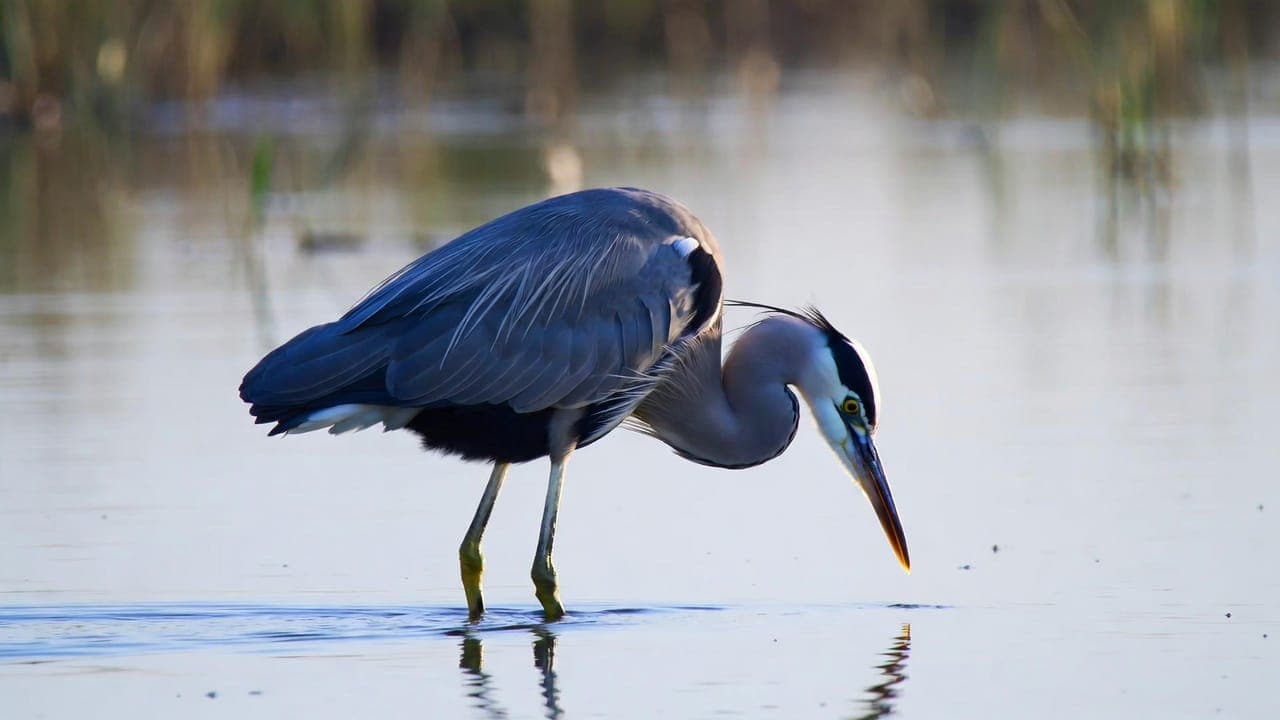
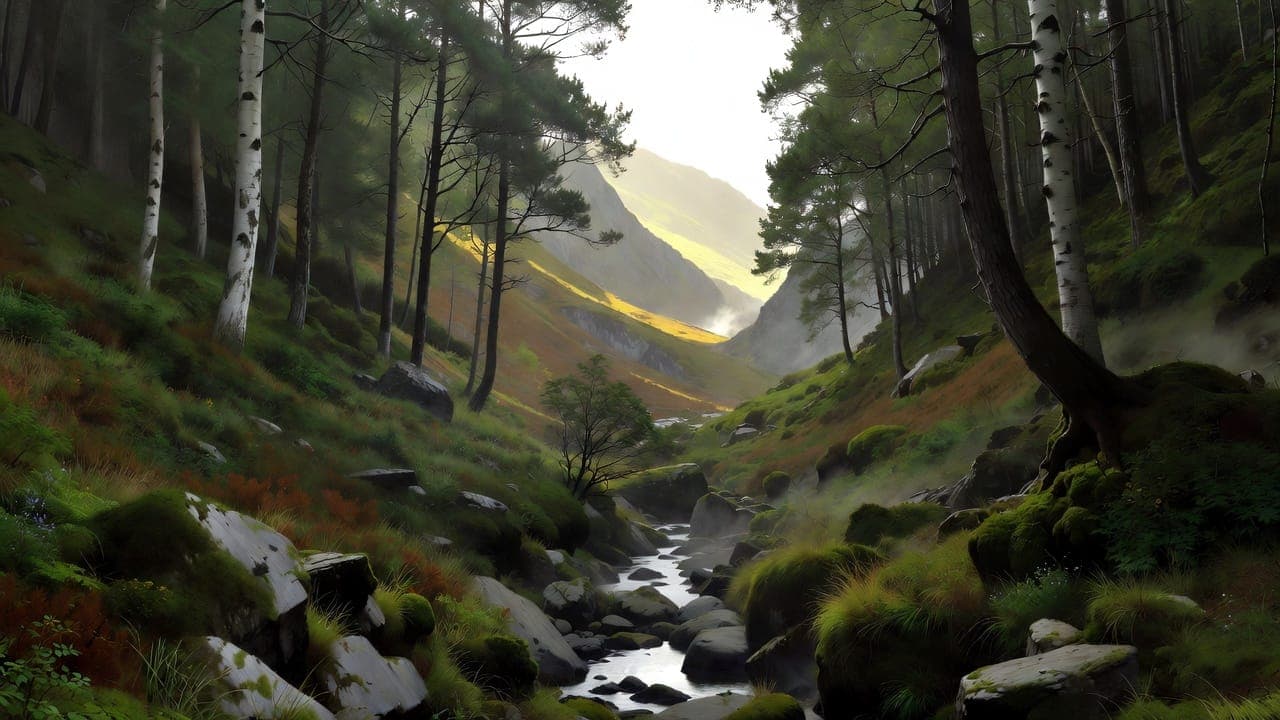
آپ زندگی سے گزرتے ہیں جیسے پانی ایک محفوظ وادی سے گزرتا ہے — صابر، مشاہدہ کرتے ہوئے، اپنا سطح ڈھونڈتے ہوئے بجائے اسے زبردستی کرنے کے۔ آپ میں Heron صبر سے انتظار کرتا اور دیکھتا ہے؛ آپ میں Glen بڑے مظاہرے کی بجائے قریبی، اچھی طرح سنبھالی گئی جگہوں کو اہمیت دیتا ہے؛ آپ میں Tide ایک مستقل تال رکھتا ہے جو دوسروں کی عجلت کے آگے نہیں جھکتا۔
آپ کی لہر زیادہ تر کمروں کے متوقع سے لمبی چلتی ہے۔ یہ مستقل مزاجی ان لوگوں کو سکون دیتی ہے جو پہلے سے پرسکون ہیں۔ یہ تیز رفتار لوگوں کو یہ بھی شک میں ڈال سکتی ہے کہ آپ ان کے ساتھ ہیں بھی یا نہیں — جب تک کہ بہت دیر بعد وہ نوٹس نہ کریں کہ آپ نے وہ تفصیل پکڑ لی تھی جو انہوں نے چھوڑ دی تھی۔
The Heron
صابر، چوکس، گہرا مشاہدہ کرنے والا
Heron وہ ہے جو آپ کے پورٹریٹ میں صابر مشاہدے کو لاتا ہے۔ جہاں دوسرے جانور دوڑتے یا پیچھا کرتے ہیں، Heron کھڑا رہتا اور مشاہدہ کرتا ہے۔ طاقت درستگی میں ہے — جب آپ آخر کار حرکت کرتے ہیں تو آپ جانتے ہیں کہ آپ کس طرف جا رہے ہیں، کیونکہ آپ نے حقیقت میں دیکھا ہے۔
فریم ورک کے گیارہ جانوروں میں Heron گہرائی سے توجہ دینے والوں کے ساتھ بیٹھتا ہے — Owl کے قریب احتیاط سے مطالعہ میں اور Wolf کے قریب نگرانی کی چوکس میں۔ Heron جو اضافہ کرتا ہے وہ سکون ہے: جگہ بھرے بغیر موجود رہنے کی صلاحیت۔
عملی طور پر آپ موڈ کی تبدیلی نوٹس کر لیتے ہیں اس سے پہلے کہ کوئی اس کا نام لے۔ آپ کہانی یا منصوبے میں چھوٹی بے ترتیبی پکڑ لیتے ہیں۔ آپ شروع کرنے میں زیادہ وقت لیتے ہیں اور ختم کرنے میں کم، کیونکہ دیکھنا زیادہ تر کام کر چکا ہوتا ہے۔ کام میں یہ بے ترتیب مواد میں پیٹرن تلاش کرنے کے طور پر ظاہر ہوتا ہے؛ رشتوں میں نوٹس کیے جانے کی خاموش کیفیت کے طور پر۔
خبردار رہنے والی بات: دیکھتے رہنا بعض اوقات کام نہ کرنے کا بہانہ بن جاتا ہے۔ آپ مطالعے کے موڈ میں اس وقت بھی پڑے رہ سکتے ہیں جب حقیقت میں پہلا قدم اٹھانے کا وقت ہو چکا ہو۔ Heron ایک صابر قسم کا نمونہ ہے — اور ہر صابر قسم کے نمونے کا خطرہ یہ ہے کہ وہ ہمیشہ کے لیے کام کو ٹالتے رہے۔ ان دونوں کے درمیان فرق سیکھنا Heron بن کر بڑھنے کا حصہ ہے۔
The Glen
پناہ گاہ والا، قریبی، خوبصورتی سے سنبھالا ہوا
Glen آپ کا گھریلو دنیا ہے — وہ جگہ نہیں جہاں آپ ہر گھنٹہ گزارتے ہیں، بلکہ جہاں سے آپ رخ کرتے ہیں۔ جب آپ تھکے ہوں، سوچنے کی کوشش کر رہے ہوں، یا پھر سے خود محسوس کرنے کی کوشش کر رہے ہوں، آپ کا اعصابی نظام اسی قسم کی جگہ کی طرف بڑھتا ہے۔
چھے دنیاﺅں میں سے Glen اُن قریب والی دنیاﺅں میں سے ایک ہے — کشادہ ہونے کی بجائے پناہ گاہ والا۔ جہاں Summit والا شخص بلندی کی طرف بڑھتا ہے اور Horizon والا شخص دور تک پھیلے منظر کی طرف، وہیں Glen والا شخص بند جگہ کی طرف بڑھتا ہے: درختوں کی دیواریں، ایک ندی جو بیچ سے گزر رہی ہو، ایک کونہ جو آپ کا ہو، دنیا اتنی قریب لا کر کہ اسے اچھی طرح جانا جا سکے۔
آپ چند ہی جگہوں میں گہرائی سے جان پہچان لگاتے ہیں بجائے اس کے کہ بہت سی متاثر کن جگہوں کی فہرست بنائیں — وہ کمرہ جہاں آپ کام کرتے ہیں، وہ بنچ جہاں آپ چل کر جاتے ہیں، دو مخصوص درختوں کے درمیان کا راستہ۔ یہ گہرائی حقیقی طاقت ہے۔ باہر سے دیکھنے والوں کو یہ تنگ زندگی بھی لگ سکتی ہے۔ جو لوگ آپ کو جانتے ہیں وہ سمجھتے ہیں کہ آپ گہرائی میں جاتے ہیں تاکہ آپ کے پاس ایک مرکز ہو جہاں سے واپس لوٹ سکیں۔
Forest اس کا قریبی رشتہ دار ہے: دونوں جنگلی، دونوں قریبی۔ Forest ہر طرف زندگی ہے، ایک معاشرہ ہے جانداروں کا؛ Glen ایک جگہ جو اچھی طرح جانی پہچانی ہو ہے۔ اگر Forest والا شخص اجتماع سے طاقت لیتا ہے تو Glen والا شخص اس کمرے سے طاقت لیتا ہے۔
Tide طریقہ
مستقل واپسی، تال والا وجود
اندر سے Tide ایک لمبی سانس لینے اور چھوڑنے جیسا لگتا ہے۔ عجلت شاذ و نادر ہی آپ سے شروع ہوتی ہے۔ حالات جو دوسروں کو عاجل لگتے ہیں وہ اکثر آپ کے سامنے آنے تک ایک آسان سوال بن جاتے ہیں: اگلا مستقل قدم کیا ہے؟ آپ کا وقت کا احساس گھنٹے کی بجائے موسم کے قریب ہے۔
باہر سے آپ پر نظر مستقل آتی ہے۔ لوگ آپ کے الفاظ سمجھنے سے پہلے آپ کے انداز کا احساس کر لیتے ہیں — سکون کے ساتھ توجہ بھی اس کے پیچھے۔ وہ آپ کے پاس وہ حالات لاتے ہیں جنہیں وہ بھڑکانا نہیں چاہتے۔
بہترین حالت میں: آپ تال قائم کر دیتے ہیں۔ ایک بے چین کمرے میں آپ میٹرونوم بن جاتے ہیں؛ ایک جمے ہوئے کمرے میں آپ وہ صبر بن جاتے ہیں جس کی بدولت دوبارہ حرکت ممکن ہو جاتی ہے۔ آپ لوگوں کو نہ تو تیز کرتے ہیں نہ سست — آپ ایک تال مہیا کر دیتے ہیں جس میں وہ شامل ہو سکیں۔
لوگ آپ سے کیا توقع رکھتے ہیں: پیچھے نہ ہٹنا۔ آپ کا وعدہ واپس آتا ہے۔ جو لوگ برسوں سے آپ کے ساتھ کام کر چکے ہیں یا محبت کا رشتہ رکھتے ہیں وہ جانتے ہیں کہ اگلے مہینے، اگلے سال بھی آپ وہیں ہوں گے، اسی صابر طریقے سے توجہ دے رہے ہوں گے۔ یہ لمبی مدت کی بھروسہ مندی نایاب ہے — اور لوگ خاموشی سے اس کے گرد اپنی زندگی ترتیب دیتے ہیں۔
آپ کیسا تاثر دیتے ہیں
چند الفاظ، توجہ طویل
بات چیت میں آپ دوسروں کے مقابلے میں زیادہ دیر تک سنتے ہیں اور جواب کم الفاظ میں دیتے ہیں۔ زیادہ تر لوگوں کی بات چیت ایک "خلا بھر دو" والے رشتے پر چلتی ہے — آپ کا نہیں چلتی۔ یہ خلا آپ کے سوچنے کا حصہ ہے۔ جو لوگ اس خلا کا انتظار کر سکتے ہیں، وہ عام طور پر پاتے ہیں کہ اس کے بعد جو بات آتی ہے، وہ انتظار کے لائق ہوتی ہے۔
آپ کا مزاح خشک ہے۔ مذاق تب ہی بیٹھتا ہے جب سننے والے نے وہی چھوٹی سی بات پکڑی ہو جو آپ نے پکڑی تھی۔ جو سمجھتے ہیں وہ خوشی سے ہنستے ہیں؛ جو نہیں سمجھتے وہ مذاق کا نوٹس ہی نہیں لیتے۔ یہ فلٹر زیادہ تر ٹھیک ہے — جو لوگ سمجھتے ہیں وہ اکثر وہی ہوتے ہیں جنہیں آپ گفتگو میں چاہتے تھے۔
لکھنا وہ جگہ ہے جہاں آپ کی درستگی سب سے واضح نظر آتی ہے۔ آپ ایک خیال کو اس وقت تک تھامے رکھ سکتے ہیں جب تک جملہ بالکل درست نہ ہو جائے۔ براہ راست بات چیت، جس میں رکاوٹیں اور ادھورے جملے ہوتے ہیں، آپ کو زیادہ قیمت دیتی ہے اور اکثر آپ کے اصل مطلب سے پتلا لگتی ہے۔
جہاں آپ کا پاؤں پھسل سکتا ہے: کم الفاظ والی بات دوسروں کو جو زبانی گرمی کے زیادہ محتاج ہوں، سرد یا دور کا احساس دے سکتی ہے۔ وہ آپ کی خاموشی کے پیچھے موجود توجہ نہیں سن پاتے۔ ایک چھوٹا سا اشارہ — "مجھے نظر آیا"، یا "میں یہاں ہوں، بس سوچ رہا ہوں" — انہیں پیاسا نہیں رہنے دیتا۔
جب آپ پھل پھول رہے ہوں
پرسکون موجودگی، محتاط توجہ
اپنی بہترین حالت میں آپ وہ پرسکون نقطہ ہوتے ہیں جس کی ایک بے چین صورتحال کو ضرورت ہوتی ہے۔ دوسرے جلدبازی کرتے ہیں؛ آپ ٹھہرتے ہیں، پیٹرن دیکھتے ہیں، پھر ایک بار درست حرکت کرتے ہیں۔
لوگ اکثر آپ پر وہ باتیں بھروسہ کرتے ہیں جو وہ بلند آواز میں نہیں کہتے — اس لیے نہیں کہ آپ زیادہ احسان کرتے ہیں بلکہ اس لیے کہ آپ نے حقیقت میں نوٹس کیا۔ ٹیم یا دوستی میں آپ چیزوں کو بکھرنے سے بچاتے ہیں، اکثر بغیر یہ بتائے کہ کتنا سارا ڈھانچہ آپ پر ٹکا ہوا ہے۔ اس تحفے کی قیمت سادہ ہے: جب آپ دباؤ میں خاموش ہو جاتے ہیں تو کمرہ ایک اہم دیوار کھو دیتا ہے اور شاید تب تک نہ جانے جب تک جھک نہ جائے۔
جہاں آپ خود ٹھوکر کھا سکتے ہیں
وقت گزرنے کا انتظار · کم دعویٰ کرنا
انتظار کبھی کبھی حکمت کا احساس دلاتا ہے، لیکن جب تک وہ تاخیر نہ بن جائے۔ اندر سے دیکھیں تو مفید وقفے اور رکے ہوئے عمل کے درمیان لائن نظر آنا مشکل ہوتی ہے — اور آپ کبھی کبھی "ابھی دیکھ رہا ہوں" کہہ کر اس رکاوٹ کو چھپاتے رہتے ہیں، حالانکہ پہلا قدم اٹھانے کا وقت گزر چکا ہوتا ہے۔
آپ کم دعویٰ کرتے ہیں۔ کریڈٹ اونچی آواز والوں کی طرف چلا جاتا ہے کیونکہ آپ نے زور نہیں دیا۔ جب مغلوب ہوں تو آپ بہت جلد پیچھے ہٹ جاتے ہیں؛ Glen چھپنے کی جگہ بن جاتا ہے بجائے بنیاد کے۔ آپ کا مستقل دھڑکن لوگوں کو الگ تھلگ لگ سکتا ہے جنہیں آپ کی فوری ضرورت تھی — اور کبھی کبھی فوری ہی درست انتخاب تھا۔ ایک تیز کنارہ بھی ہے: لوگ آپ کی خاموشی سے محسوس کر سکتے ہیں کہ ان کا انتظام کیا جا رہا ہے۔ جب آپ وہ رائے روکتے ہیں جو کمرے میں انہیں درکار تھی تو وہ اسے نگہداشت نہیں سمجھتے — وہ اسے فیصلے کے ساتھ اکیلا چھوڑ دینے کا تجربہ کرتے ہیں۔
آپ کے اندرونی تناؤ
دیکھیں · چلیں · پناہ
Heron دیکھنا اور انتظار کرنا چاہتا ہے۔ Tide مسلسل حرکت کرنا چاہتا ہے۔ زیادہ تر اوقات یہ دونوں متفق رہتے ہیں — آپ حرکت میں مشاہدہ کرتے ہیں، جیسے سستے کشتی سے دنیا دیکھنا۔ کبھی کبھار یہ الگ ہو جاتے ہیں: Heron احتیاط سے مطالعہ چاہتا ہے، Tide مستقل عمل چاہتا ہے، اور Glen نہ یہ نہ وہ — صرف سکون چاہتا ہے۔
جب تینوں میں تناؤ ہو تو آپ ملتوی کر دیتے ہیں۔ راستہ عام طور پر یہ پوچھنا ہے کہ اس صورتحال کو ان تینوں میں سے کس کی ضرورت ہے، نہ کہ آج آپ میں کون سی آواز سب سے بلند ہے۔
کیا آپ کو اٹھاتا ہے، کیا آپ کو تھکاتا ہے
لمبی نظریں، سستے تال
آپ کو اٹھاتا ہے: لمبی نظریں جو کچھ طلب نہیں کرتیں۔ سستے گفتگو جو کہیں جانے کی ضرورت نہیں رکھتیں۔ کناروں والے مقامات — پانی اور ساحل، باغ اور جنگل — جہاں آپ حد پر بیٹھ کر دیکھ سکتے ہیں۔ لوگ جو خاموشی بھرنے سے خوش رہتے ہیں۔ کام جو برسوں میں بڑھتا ہے بجائے اس کے کہ لمحوں میں اچھال مارے۔
آپ کو تھکا دیتا ہے: بے ترتیب شور۔ دکھاوے کی عجلت۔ وہ ہجوم جو فوری جواب کا مطالبہ کرتے ہیں۔ بے ترتیب کھلا افراتفری جس میں کوئی پیٹرن نظر نہ آئے۔ جب آپ خود کو خاموش رہنے کے لیے تیار کر چکے ہوں تو آپ سے بلند آواز والا بننے کو کہا جائے۔ سب سے بڑھ کر: اچھی نیت والے لوگ جو آپ کو آپ کے محفوظ گوشے سے "آپ کے بھلے کے لیے" باہر کھینچتے ہیں۔
گہرائی میں جائیں
چھ مزید جائزے: آپ کا تصویر کام پر، محبت میں، دباؤ میں.
اصل تصویر پر اس قسم کی گہرائی Personal Report میں ہوتی ہے: آپ کی تصویر آپ کی زندگی کے ہر حصے میں پڑھی جاتی ہے، ہر اس ٹیسٹ سے جو آپ نے دیا۔ نیچے مثال کے جائزے کھولیں تاکہ دیکھیں یہ کیسا لگتا ہے۔
- آپ کیسے محبت کرتے ہیں
گہرا نوٹس، آہستہ قربت - کام پر
لمبا سفر، شور نہیں - آپ کیسے بات چیت کرتے ہیں
کیا اثر کرتا ہے · کیا کھو جاتا ہے - آپ کیسے فیصلہ کرتے ہیں
وضاحت کا انتظار کریں · کم داؤ والے رکاؤ کا مشاہدہ کریں - دباؤ میں
سکیڑیں · پھر واپسی کا خطرہ مول لیں - آپ کیسے بڑھتے ہیں
پہلے بولیں · زیادہ نظر آنے والے بنیں
یہاں خریدنے کو کچھ نہیں۔ یہ ذاتی رپورٹ کے مواد کی مثال ہے۔
آپ کی ذاتی رپورٹیں
اپنی تصویر آگے بڑھائیں
آپ کی تصویر شروعات ہے۔ Personal Reports اِسے آگے لے جاتی ہیں: آپ کی Core تصویر گہرائی میں، اُس کے سات حصے اور ایک ذاتی خلاصہ جو آپ کے ہر ٹیسٹ سے نکلا ہو، یا چھ Personalised Reports، زندگی کے ہر حصے کے لیے ایک۔ £5 سے، ایک بار کی ادائیگی۔
ذاتی رپورٹس پر جائیںیہ بھی دیکھیں: موازنے کی ایک مثال، دو تصاویر مل کر.