Chameleon-Valley-Bold

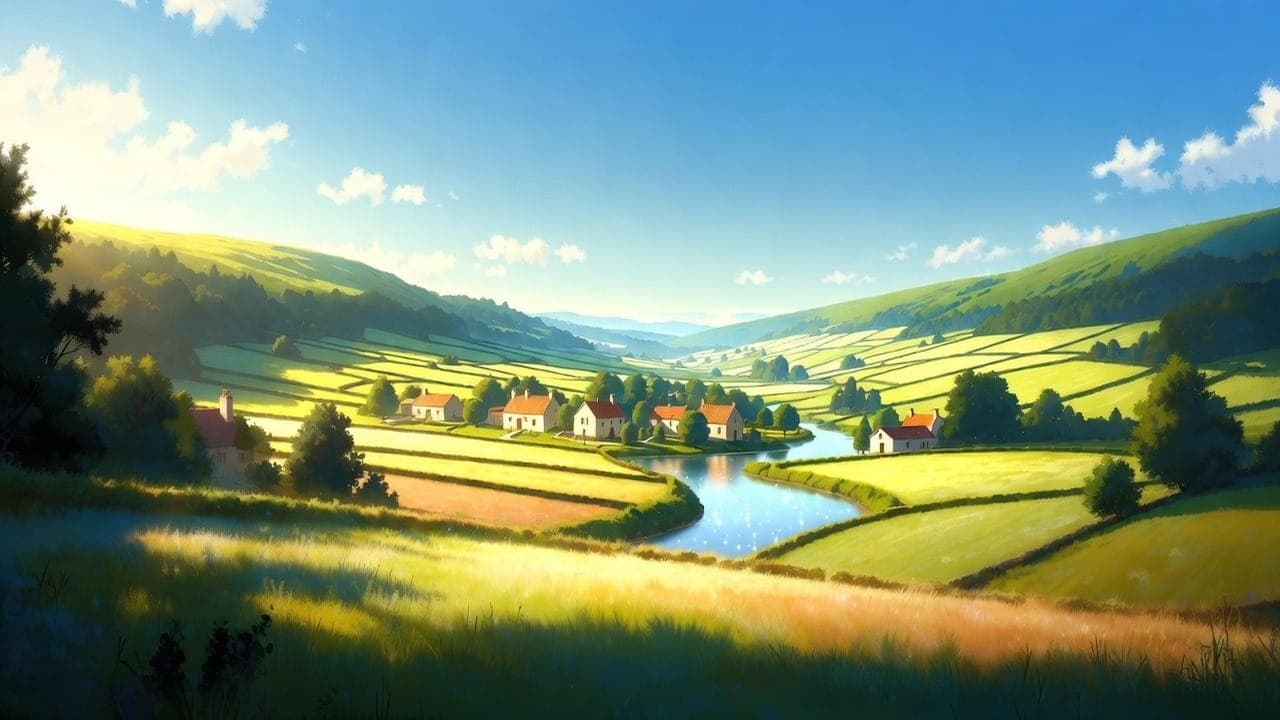

Your what-world-way
KINSHIP WITHOUT AGENDA, FAST TO MOVE
You belong without needing to perform belonging. You're rooted in family, in place, in the people you've known longest — but you carry that rootedness lightly, without defensiveness or the need to explain it. You move between contexts with an ease that surprises people who assume kinship-oriented people stay put. You don't change who you are to fit different rooms; you simply show up, present and functional, and the room adjusts around you. When something needs doing, you do it. When a decision needs making, you make it. You don't wait for consensus or permission. The ties that matter to you are old and real, and they don't require you to be anything other than what you are.
The Valley gives you rootedness — kinship, lineage, the steady ground of people and place you belong to. The Bold way gives you speed and directness — you act first, reflect later, and you'd rather be wrong quickly than paralysed by caution. The Chameleon gives you functional presence without a fixed agenda — you don't need to defend a particular stance or prove a particular identity, so you're free to show up however the situation calls for. Most Chameleon-Valley-Bolds don't struggle with who they are; they just get on with it, and the people around them either keep up or don't.
The Chameleon
Adaptability, function, presence
At your best, you are at ease across very different settings and very different people. Your range comes from not being anchored to any single drive — what you bring is presence, function, and the capacity to move with whatever the situation actually needs.
White isn't the absence of colour — it's all the colours, present at once, in balance. You don't change colour to fit the room. You don't have a strong colour of your own, and you have access to all of them. What others see in you is the colour the room called for — not a colour you've put on, but the one the situation made present.
People come to this archetype by several different routes. Some genuinely move between motivational frames depending on context. Some have done deep developmental work and no longer identify with a single drive. Some have a different relationship with their own inner states than the typical personality system assumes. And some are at a transition point in life. Open isn't "no type" — it's a recognised pattern with several life-routes that lead to it.
To you, this is just how things are — there's no struggle in being yourself across very different rooms. To some people you meet, this reads as refreshing — no judgment, no agenda, just someone who fits in. To others, it can come across as detached or harder to know. None of that is really a problem for you. You're not trying to please everyone; you're choosing for yourself, and others can take it as they find it.
People rely on you to be there without judging. To move between worlds and carry something real from each into the next. To work alongside very different drives without putting yourself in opposition to any of them. To be the one who can be in any room and just keep moving.
The Valley
Kinship, lineage, belonging
At your centre is a need for belonging that runs deeper than reason — to your family, your kin, the people you've known forever. You know what older places have always known: that family is family, that where you're from shapes who you are, that the bonds you're born into matter more than fancy modern ideas. You feel the forces in the world that we don't control: the weather, the spirits in things, what's been here since before us.
For you, wealth is the bonds that hold your people together — your family, your home ground, the rhythms and rituals that bind you. Financial wealth matters only insofar as it serves what really matters: kinship, the keeping of your people, the home place you carry with you wherever you go.
You gravitate toward environments where family is family, where bonds are real, and where the way we've always done things is honoured. You take your grandparents' wisdom over a clever new idea. You know who's who, you remember names and stories and small debts of kindness, and you back your own without question.
The Bold way
Direct, decisive, no-buffer action
You feel most alive when you're in motion. Waiting feels wrong. Deliberating when you could be doing feels like a waste. Your instincts are fast, your convictions are clear, and your natural response to any challenge is to meet it head-on. You'd rather be wrong quickly than right slowly.
People experience you as decisive, energising, and unapologetically direct. You fill a room not by demanding attention but by radiating certainty. Others often look to you to make the first move — and you rarely disappoint.
At your best: At your best, you cut through fog and unstick what was stuck. Where others hesitate, hedge, or hold back, you move first — and the momentum you create gives others permission to do the same.
What people count on you for: People count on you to say the thing nobody else dared say, to start when starting feels too costly, and to refuse the deliberation trap when action is what the situation actually needs.
How you come across
You put yourself into the world bluntly — no setup, no softening, no buffer. People in your register find it bracing; people in quieter ones can read it as crass or as breaking social rules they didn't know they were keeping. Humour amplifies both effects: at your best you cut through fog and unstick what was stuck; at the edges the same directness can land as tactless to ears that weren't ready.
Career reading of this portrait · roles that tend to fit, on me change job
Share this what-world-way