Eagle-Valley-Deep
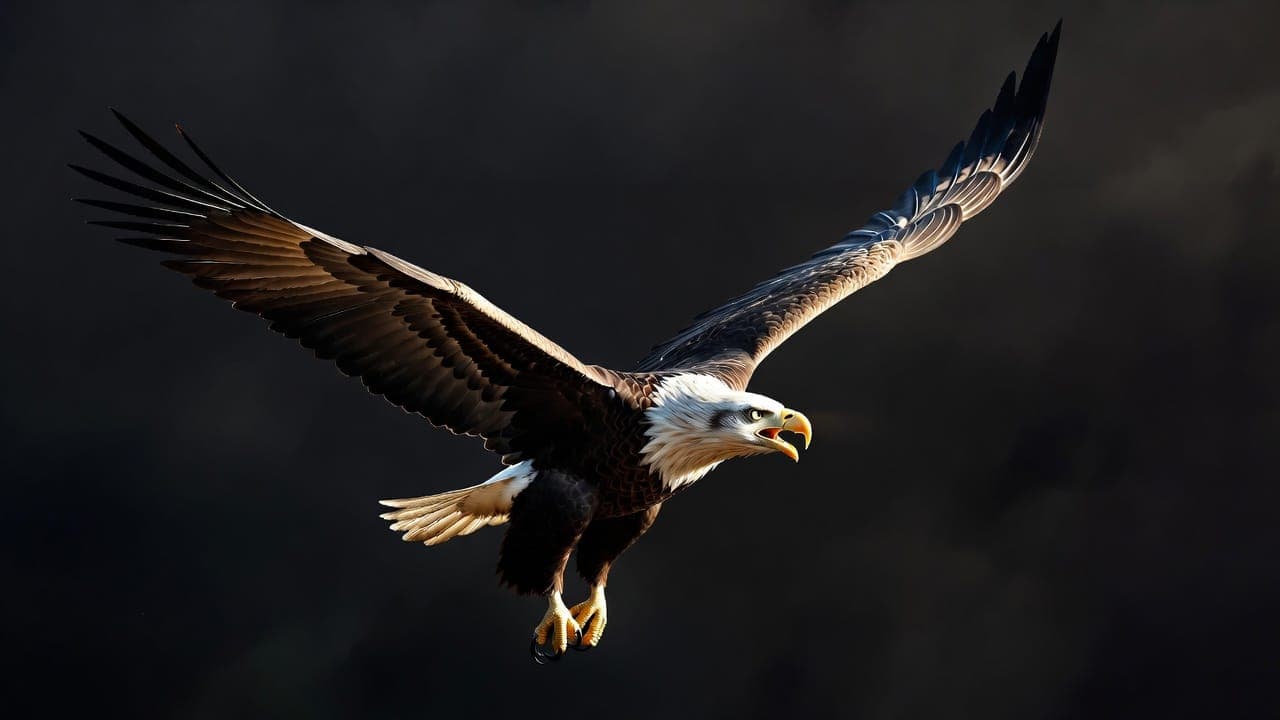


Your what-world-way
VISION ROOTED IN KINSHIP
You see what could be — and you see it not for yourself alone, but for the people you belong to. The Eagle in you lights the path forward; the Valley in you makes sure it leads home. You don't chase ambition for its own sake. You chase it because the people you love, the lineage you come from, deserve the future you can see for them. Your vision isn't abstract or distant — it's grounded in faces you know, places you remember, bonds that matter more than any theory. You move slowly, thinking it through in the quiet, turning it over until the picture is clear. Then you name it, and the room leans in.
The Valley gives you your centre — the unshakeable knowledge that family is family, that where you're from shapes who you are, that the bonds you were born into aren't negotiable. The Deep way gives you the space to think it through — you'd rather arrive at clarity slowly than rush toward a half-formed idea. The Eagle gives you the capacity to see what isn't yet and describe it so others can move toward it. Most Eagle-Valley-Deeps don't struggle with what they want — they struggle with whether it's allowed to want something bigger than what the family has always known.
The Eagle
Vision, possibility, momentum
At your best, you are vivid in your sense of what could be, and capable of bringing others toward it. You see possibility before others see it — and you have the capacity to make it concrete enough that people can step into it with you.
You're the person who pictures where things could go, and then names what it would take to get there. Not as theory or dream, but as something the room can move toward together. You don't just see the future — you light the path so others can walk it. The role you give the world is the bridge between what isn't yet and what becomes.
You carry your people's name wherever you go — achieving visibly and proudly on behalf of the family that raised you.
People rely on you to show them where things are heading and why it matters. To take the unformed possibility and make it visible. To bring the energy and clarity that turns 'we should...' into 'we are.'
The Valley
Kinship, lineage, belonging
At your centre is a need for belonging that runs deeper than reason — to your family, your kin, the people you've known forever. You know what older places have always known: that family is family, that where you're from shapes who you are, that the bonds you're born into matter more than fancy modern ideas. You feel the forces in the world that we don't control: the weather, the spirits in things, what's been here since before us.
For you, wealth is the bonds that hold your people together — your family, your home ground, the rhythms and rituals that bind you. Financial wealth matters only insofar as it serves what really matters: kinship, the keeping of your people, the home place you carry with you wherever you go.
You gravitate toward environments where family is family, where bonds are real, and where the way we've always done things is honoured. You take your grandparents' wisdom over a clever new idea. You know who's who, you remember names and stories and small debts of kindness, and you back your own without question.
The Deep way
Reflective, idea-rich, inward-first
Your real life happens inside. The world's noise is outside, and you let it stay there — what matters is what you're turning over in the quiet, the connections you're making between things others hadn't noticed were related, the meaning you arrive at slowly. You'd rather understand than execute, rather think with someone than lead them.
People sense that you're taking in more than you're letting on. Your contributions land later than others' — but they're more thought-through, often reframing the conversation in ways that wouldn't have happened without you. The people who learn to wait for your answer get something none of the louder voices can give them.
At your best: At your best, you reframe a whole conversation with a sentence everyone else missed. Your contributions land later but more considered — you've been turning the question over while everyone else was already answering it.
What people count on you for: People count on you for the considered view — the thing said quietly in the corridor afterwards, the reflection that reframes what just happened, the comment that names what got missed.
How you come across
You communicate through ideas — literal, structural, often bridge-building. Your humour is that mode at play: a quiet observation that reframes what was just said, the joke landing because of a connection between things others hadn't noticed were related. Humour throws the gap into sharpest relief: at your best you reframe a whole conversation with a single sentence; at the edges, your literal-sounding observation doesn't always register as a joke and can come across as odd or off-topic. The connection was the joke. They didn't see the connection. That's the misalignment, not a comment on either of you.
Career reading of this portrait · roles that tend to fit, on me change job
Share this what-world-way