Wolf-Keep-Deep

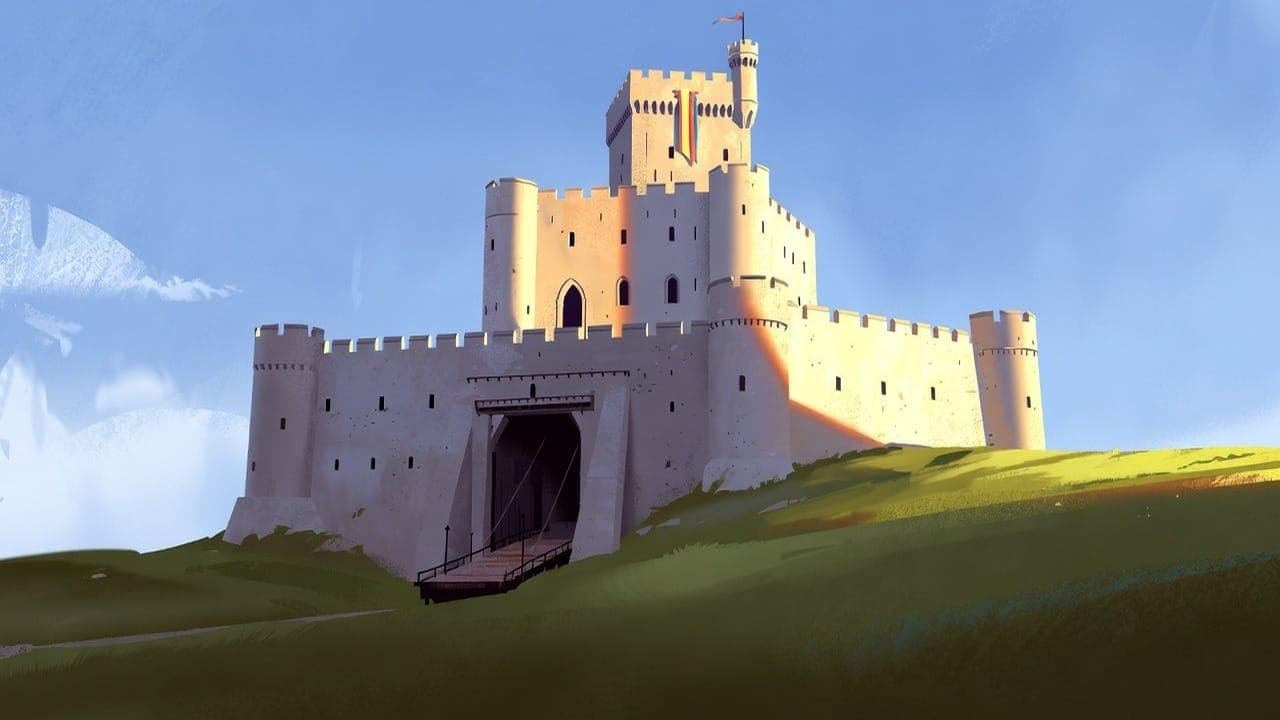

Your what-world-way
STANDARDS HELD · QUIETLY UNSHAKEABLE
You are the person who holds the line — not loudly, not visibly, but with a kind of bedrock certainty that others rely on without always knowing they're relying on it. You care about doing things properly, about keeping your word, about building something that lasts longer than the moment. You're not interested in shortcuts or flash; you're interested in what holds up under pressure. When things get difficult, you don't perform resilience — you just continue. People around you often mistake your quietness for passivity, but what they're seeing is someone who doesn't need to announce their commitments because they're too busy honouring them. You think in long arcs. You show up.
The Keep gives you that internal compass — the sense that some things matter more than convenience, that duty isn't a burden but a framework for meaning. The Deep way gives you the patience to think it through first, to work out the right answer rather than the fast one, to let ideas settle before you act. The Wolf gives you the loyalty that turns principle into presence — you're not just thinking about what's right, you're the one who stays when it would be easier to leave. Most Wolf-Keep-Deeps don't struggle with knowing what they believe; they struggle with a world that mistakes reflection for hesitation and steadiness for lack of ambition.
The Wolf
Loyalty, vigilance, kinship
At your best, you are loyal, prepared, and the person you can count on when it matters. You see what could go wrong not because you're negative, but because your capacity for anticipation means you can prepare for it.
You're the person who holds things together when they're threatening to fall apart. Not through dramatic heroism, but through preparation, loyalty, and an unshakeable commitment to the people and causes you believe in. The role you give the world is to show up — reliably, consistently, and especially when it's hard.
You anchor institutions and standards. Your loyalty is to the principles and structures that hold society together.
People rely on you to be there. To have thought ahead. To have prepared for the thing nobody else considered. To remain loyal when the situation gets difficult and everyone else starts looking for the exit.
The Keep
Order, duty, tradition
At your centre is a deep commitment to doing things properly — not perfectly, but rightly. You have an internal compass oriented toward standards, duty, and building things that last. You care about legacy, about leaving things better than you found them, about the long game rather than the quick win.
For you, wealth is what endures. It's the institution you built, the standard you maintained, the commitment you kept when it would have been easier to walk away. Your sense of richness comes from knowing that your work, your relationships, and your character can withstand scrutiny.
You're drawn to structure, planning, and clear expectations. You respect authority that earns its position and hold yourself to the same standard. You're the person who reads the contract, follows through on promises, and notices when corners are being cut. This isn't rigidity — it's care.
The Deep way
Reflective, idea-rich, inward-first
Your real life happens inside. The world's noise is outside, and you let it stay there — what matters is what you're turning over in the quiet, the connections you're making between things others hadn't noticed were related, the meaning you arrive at slowly. You'd rather understand than execute, rather think with someone than lead them.
People sense that you're taking in more than you're letting on. Your contributions land later than others' — but they're more thought-through, often reframing the conversation in ways that wouldn't have happened without you. The people who learn to wait for your answer get something none of the louder voices can give them.
At your best: At your best, you reframe a whole conversation with a sentence everyone else missed. Your contributions land later but more considered — you've been turning the question over while everyone else was already answering it.
What people count on you for: People count on you for the considered view — the thing said quietly in the corridor afterwards, the reflection that reframes what just happened, the comment that names what got missed.
How you come across
You communicate through ideas — literal, structural, often bridge-building. Your humour is that mode at play: a quiet observation that reframes what was just said, the joke landing because of a connection between things others hadn't noticed were related. Humour throws the gap into sharpest relief: at your best you reframe a whole conversation with a single sentence; at the edges, your literal-sounding observation doesn't always register as a joke and can come across as odd or off-topic. The connection was the joke. They didn't see the connection. That's the misalignment, not a comment on either of you.
Career reading of this portrait · roles that tend to fit, on me change job
Share this what-world-way