Wolf-Valley-Deep
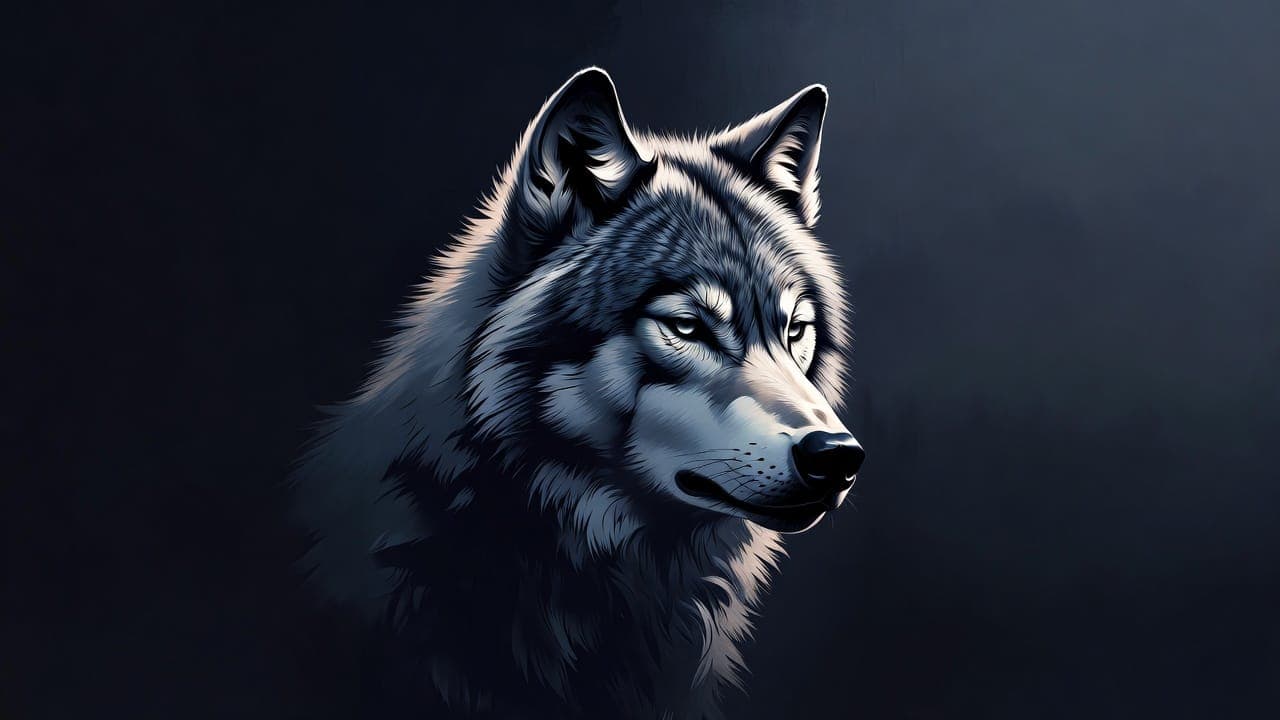


Your what-world-way
LOYALTY RUNS THROUGH LINEAGE · THOUGHT RUNS DEEP
You are the quiet centre of gravity in a world that keeps spinning faster. Where others move through life chasing newness or speed, you hold steady to what's rooted — your people, your place, the things that were true before you arrived and will be true after you're gone. You don't make a show of this; you just live it. Your loyalty isn't performative, it's structural. You're the one who remembers what was said three years ago, who shows up when someone needs you without needing to be asked, who carries the knowledge of how things have always been done because someone has to. But this isn't blind tradition or duty for duty's sake — beneath it all runs a reflective, idea-rich interior life that most people never see. You're turning things over slowly, making connections between what your grandmother said and what you read last month, between the old ways and the new problems, between the people you love and the patterns you notice.
The Valley gives you rootedness — a sense that kinship and belonging aren't optional extras but the ground you stand on. The Deep way gives you the long interior attention span, the willingness to sit with an idea until it reveals itself, the preference for understanding over performing. The Wolf gives you the vigilance, the preparedness, the unshakeable loyalty that means when you commit to someone or something, you don't waver. Most Wolf-Valley-Deeps don't struggle with knowing what matters; they struggle with a world that tells them none of it should matter as much as it does.
The Wolf
Loyalty, vigilance, kinship
At your best, you are loyal, prepared, and the person you can count on when it matters. You see what could go wrong not because you're negative, but because your capacity for anticipation means you can prepare for it.
You're the person who holds things together when they're threatening to fall apart. Not through dramatic heroism, but through preparation, loyalty, and an unshakeable commitment to the people and causes you believe in. The role you give the world is to show up — reliably, consistently, and especially when it's hard.
You hold your people together through patient, unwavering commitment. You're the steady presence across the years — the one your kin always know is still there.
People rely on you to be there. To have thought ahead. To have prepared for the thing nobody else considered. To remain loyal when the situation gets difficult and everyone else starts looking for the exit.
The Valley
Kinship, lineage, belonging
At your centre is a need for belonging that runs deeper than reason — to your family, your kin, the people you've known forever. You know what older places have always known: that family is family, that where you're from shapes who you are, that the bonds you're born into matter more than fancy modern ideas. You feel the forces in the world that we don't control: the weather, the spirits in things, what's been here since before us.
For you, wealth is the bonds that hold your people together — your family, your home ground, the rhythms and rituals that bind you. Financial wealth matters only insofar as it serves what really matters: kinship, the keeping of your people, the home place you carry with you wherever you go.
You gravitate toward environments where family is family, where bonds are real, and where the way we've always done things is honoured. You take your grandparents' wisdom over a clever new idea. You know who's who, you remember names and stories and small debts of kindness, and you back your own without question.
The Deep way
Reflective, idea-rich, inward-first
Your real life happens inside. The world's noise is outside, and you let it stay there — what matters is what you're turning over in the quiet, the connections you're making between things others hadn't noticed were related, the meaning you arrive at slowly. You'd rather understand than execute, rather think with someone than lead them.
People sense that you're taking in more than you're letting on. Your contributions land later than others' — but they're more thought-through, often reframing the conversation in ways that wouldn't have happened without you. The people who learn to wait for your answer get something none of the louder voices can give them.
At your best: At your best, you reframe a whole conversation with a sentence everyone else missed. Your contributions land later but more considered — you've been turning the question over while everyone else was already answering it.
What people count on you for: People count on you for the considered view — the thing said quietly in the corridor afterwards, the reflection that reframes what just happened, the comment that names what got missed.
How you come across
You communicate through ideas — literal, structural, often bridge-building. Your humour is that mode at play: a quiet observation that reframes what was just said, the joke landing because of a connection between things others hadn't noticed were related. Humour throws the gap into sharpest relief: at your best you reframe a whole conversation with a single sentence; at the edges, your literal-sounding observation doesn't always register as a joke and can come across as odd or off-topic. The connection was the joke. They didn't see the connection. That's the misalignment, not a comment on either of you.
Career reading of this portrait · roles that tend to fit, on me change job
Share this what-world-way