Chameleon-Forest-Steady


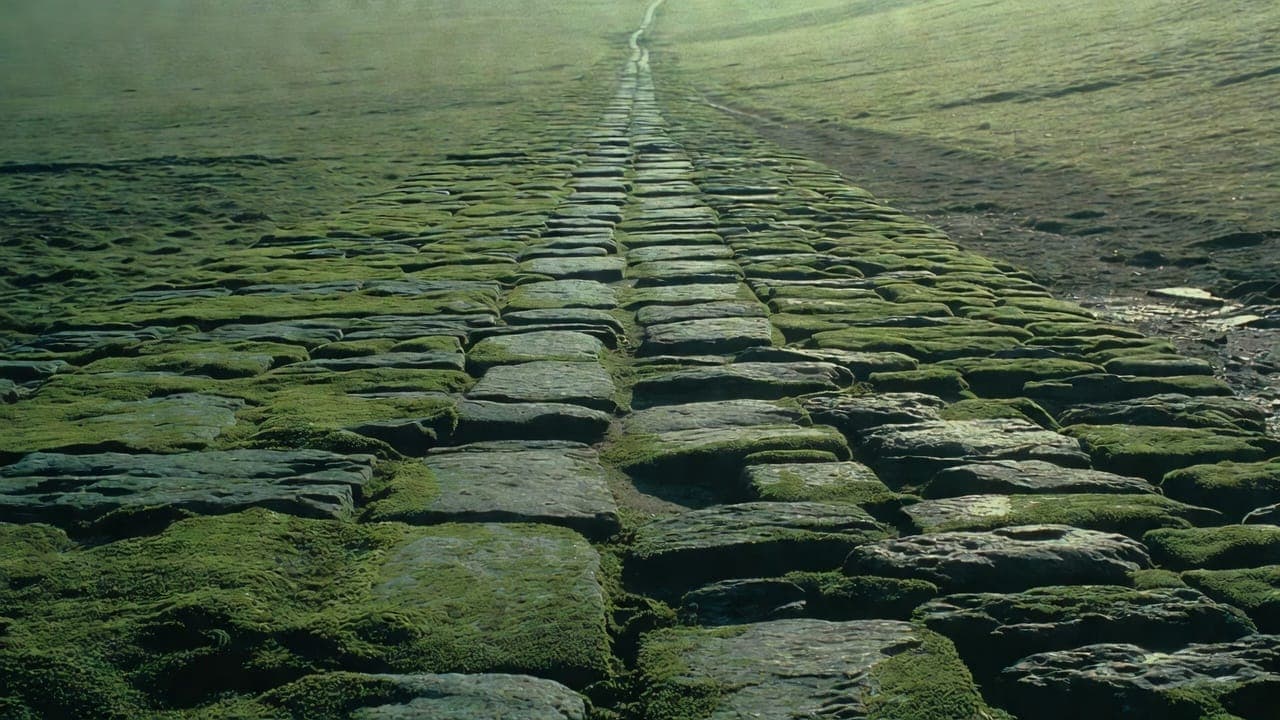
Your what-world-way
STEADY ACROSS ALL ROOMS, NO FIXED COLOUR
You move through very different rooms with the same steady quality, and people often remark that you seem 'the same person' in contexts where others shift visibly. This isn't code-switching or adaptive performance — it's that you don't carry a strong motivational colour of your own that would need defending or hiding. You show up to the situation as it is, not as you need it to be. In Forest contexts, this makes you genuinely inclusive — you have no in-group preference competing with the room's needs. In mixed groups, you're often the person who can bridge between factions because you're not pulling for any one side. The steadiness isn't neutrality or detachment; it's presence without agenda. You stay grounded when others fragment, not because you're suppressing something, but because there's no inner fixation pushing you off-centre.
The Forest world gives you a conviction that every person in the room matters — not as principle but as lived attention. The Steady way gives you the patience to hold space for that attention without needing quick resolution or visible progress. The Chameleon gives you the structural capacity to be genuinely present across very different people and contexts without losing yourself in any of them. Together, the three paint a portrait of someone who functions as steady, inclusive ground in almost any room — and who does it without the performance cost that would exhaust someone carrying a stronger motivational drive. Most Chameleon-Forest-Steadys don't struggle with 'finding themselves'; they navigate a different question: whether being steady and open across all contexts means others never quite know who you are.
The Chameleon
Adaptability, function, presence
At your best, you are at ease across very different settings and very different people. Your range comes from not being anchored to any single drive — what you bring is presence, function, and the capacity to move with whatever the situation actually needs.
White isn't the absence of colour — it's all the colours, present at once, in balance. You don't change colour to fit the room. You don't have a strong colour of your own, and you have access to all of them. What others see in you is the colour the room called for — not a colour you've put on, but the one the situation made present.
People come to this archetype by several different routes. Some genuinely move between motivational frames depending on context. Some have done deep developmental work and no longer identify with a single drive. Some have a different relationship with their own inner states than the typical personality system assumes. And some are at a transition point in life. Open isn't "no type" — it's a recognised pattern with several life-routes that lead to it.
To you, this is just how things are — there's no struggle in being yourself across very different rooms. To some people you meet, this reads as refreshing — no judgment, no agenda, just someone who fits in. To others, it can come across as detached or harder to know. None of that is really a problem for you. You're not trying to please everyone; you're choosing for yourself, and others can take it as they find it.
People rely on you to be there without judging. To move between worlds and carry something real from each into the next. To work alongside very different drives without putting yourself in opposition to any of them. To be the one who can be in any room and just keep moving.
The Forest
Empathy, fairness, community
At your centre is a conviction that every person matters. Not as an abstract principle but as a lived reality — you genuinely see the individual in front of you, with their specific joys and struggles and dignity. The quality of a society is measured by how it treats its most vulnerable members.
For you, wealth is collective and relational. It's the depth of understanding between people, the quality of care in a community, the feeling that nobody has been left behind. Personal success that comes at others' expense doesn't feel like success to you.
You naturally create inclusive environments. You notice who's not speaking in a meeting, who's been left out of a plan, whose perspective hasn't been considered. You advocate for fairness not from moral superiority but from genuine empathy — you feel the exclusion as if it were your own.
The Steady way
Grounded, reliable, quietly capable
You have an internal centre of gravity that others often lack. When the world around you accelerates, panics, or fragments, something in you holds. This isn't coldness — it's genuine groundedness, an ability to stay present and keep working when others can't. You trust the process because you've seen what patience produces.
People experience you as the solid ground in shifting sand. You're the person who doesn't flinch, doesn't overreact, and keeps going when others have already given up. Your reliability isn't boring — it's the thing that makes everything else possible.
At your best: At your best, you're the still centre. The one who keeps turning up, keeps the thing running, keeps calm when others panic. The work you do quietly is usually the work that actually holds.
What people count on you for: People count on you to be there, to follow through, to not need managing — to take the long view when others are reacting, and to stay at it when the novelty wears off for everyone else.
How you come across
You communicate factually and sparely — saying less than you could, leaving space, not performing. Your humour follows the same rule: deadpan, dry, sometimes so understated that the joke arrives sideways and someone has to catch it on the way past. Humour amplifies the divergence: at your best your spareness is quietly powerful; at the edges, the same calmness that makes your communication land for some makes it invisible to others, and you can be read as disengaged when the truth is the opposite.
Career reading of this portrait · roles that tend to fit, on me change job
Share this what-world-way